Raj Shamani says his podcast clips draw 1.6 billion views
India's biggest podcaster says clips of Figuring Out draw about 1.6 billion views a month, more than ten times his main channel. The most useful part isn't the number: it's how he sells a separate sponsorship for each clip page. Here's the model and what you can copy.
Raj Shamani says his podcast clips draw 1.6 billion views
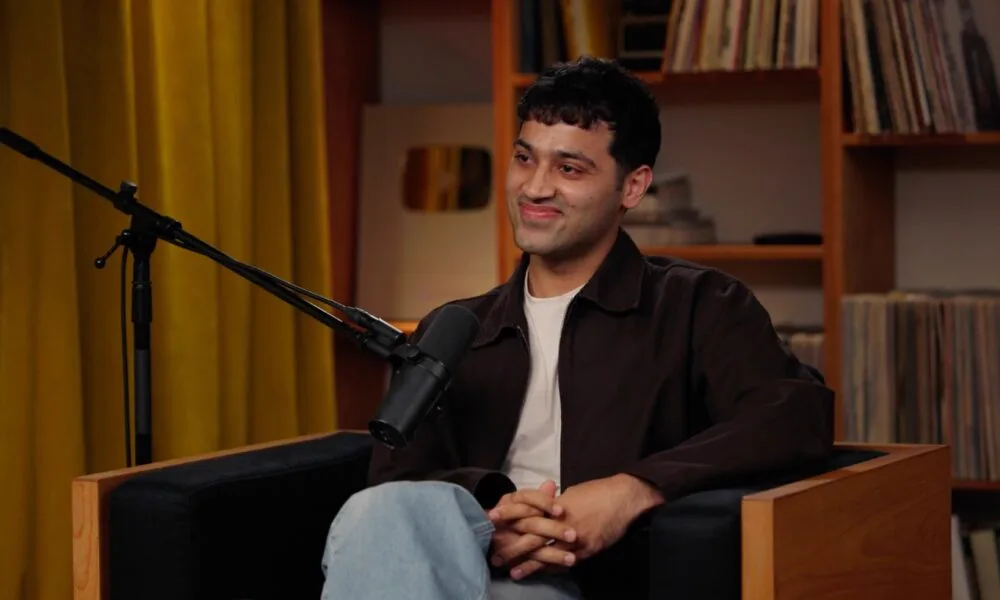
Raj Shamani, host of the Indian podcast Figuring Out, said that clips of the show draw about 1.6 billion views a month across YouTube, Instagram and other apps, according to Net Influencer, which published his interview on the Colin and Samir Show this Saturday (Nov. 21). The main channel gets 110 to 120 million a month. In other words, the clips bring in more than ten times what the main channel does.
The number is his own claim, and nobody has audited it. What interests me as a business is something else he said in the same conversation: each clip page has its own sponsor, sold separately from the episode. That's the lesson for anyone with a podcast and for anyone who clips.
Who is Raj Shamani, and why does the number matter?
Shamani is considered India's biggest podcaster, and in November he passed The Diary of a CEO and The Joe Rogan Experience in YouTube subscribers. According to another Net Influencer report from November 13, using ThoughtLeaders data, the channel had about 22 million subscribers on November 12, up from 14 million on January 1.
Subscribers aren't audience, and the report itself says so: in the 30 days to November 12, Figuring Out got about 114 million views on the channel, against 124 million for Diary of a CEO. That's why clips matter so much in his numbers. That's where most of the reach is.
Also worth noting: eight days earlier, the show's own press release cited 1.4 billion monthly views "across platforms," without saying which accounts were counted. Now it's 1.6 billion. That could be growth, or a different way of counting. Treat it as an order of magnitude.
How does his clipping operation work?
From what Shamani described, a clip is treated as ad space, not as promotion for the episode. The main points:
- Bundled sponsorship on clips. A brand that can't afford to sponsor the main episode buys bundled placements on the clips or Shorts channel. It sits below title sponsorship and episode sponsorship on the rate card.
- Custom intros and outros. Sometimes the opening and closing bumpers change from one clip to the next.
- One sponsor per network. Instagram, LinkedIn, X, Threads, Substack and TikTok each have separate sponsorships. On Reels, the brand can swap the end card with the name "Raj Shamani" for its own logo.
- Shelf, not post. He prices each slot like a store shelf. He started out selling his family's dish soap in Indore, and the logic is the same.
Part of the production comes from Relevance Media, his own company, which he calls "one of the biggest clipping agencies in Asia." The rest comes from outsiders: Varun Mayya of the Aeos group said small teams each run 10 to 20 Figuring Out fan pages, according to Net Influencer. Mayya himself wants to build a network of tens of thousands of clip pages, starting in India.
Why is AdSense the smallest part of the revenue?
Because revenue per thousand views is very low in India. Shamani said that with 120 million views a month on the main channel, AdSense pays "no more than about 150 thousand a month," without naming the currency. He calls judging the Indian market by what YouTube pays the "RPM trap" (RPM is revenue per thousand views).
Brazilian creators know this problem. Ad pay per thousand views in Brazil is also well below the US level, and anyone living on platform monetization alone feels it. His way out is the same one I argue for clipping channels in the Brazilian market: brand revenue, sold directly, with the clip as inventory.
What he turns down, and why it raised his price
The show has a list of things it won't do: horror, conversations about sex, religion, celebrity gossip and astrology. It also turns down sponsorships for tobacco, betting and cigarettes. According to him, saying no to those advertisers made the show's price go up over time. He gives an example: a creator who turns down a sugar brand can charge a health brand "at least 1.5 times more."
In Brazil, part of that list isn't even a choice anymore. Betting ads have been banned for creators since Provisional Measure 1,394, as Nicolas explained when analyzing the case of the podcast built for clips, and sponsored posts now have a federal rule through the Senacon ordinance. But the idea of using refusal as a selling point works in any niche.
What this means for you
If you have a podcast, the takeaway is that a clip can have its own rate card. A hypothetical example: a finance podcast with 30 thousand views per episode and 400 thousand a month on clips has more inventory in the clips than in the episode. You can offer a smaller brand an end-card package across 20 clips a month on Reels and TikTok, without touching the main sponsorship. The brand deal guide helps you work out what to charge per network.
If you clip other people's podcasts, the case shows that a fan page with real growth has value for the show's owner. The teams running 10 to 20 Figuring Out pages exist because the podcaster wants distribution. The catch: it depends on a deal with the owner. Clipping without permission and selling sponsorships on your own is asking for a copyright takedown. And YouTube has already said that the podcast clip goes to the owner's channel, with less reach for anyone who only reposts.
On the platform side, X now pays both clippers and the people who recorded, as Net Influencer itself points out in the report. It's one more source of income, but there's still no published rate per thousand views.
What to do now
- Count your inventory. Add up monthly clip views by network and compare them to the episode. If the clips are already bigger, they deserve their own price.
- Standardize the end of the clip. The same end card on every network is the space you'll sell later. Today it can be the show's name; tomorrow, the brand's logo.
- Split sponsorship by network. One brand on Reels, another on TikTok. A small brand buys a network, not a package.
- If you clip, close a deal first. Propose an official clip page to the podcaster with an agreed split. The guide to how much a clipper earns shows the most common payment models.
To produce volume without building a ten-person team, Cut.Pro finds the best moments of the episode with AI, reframes them to vertical, adds captions and schedules posts across several networks at once. And if you want a network of clippers like Shamani's, you can open a clipping championship for your own podcast and reward the clips that perform best.
The 1.6 billion figure is his, and nobody has checked it. The model of selling the clip as a shelf, though, you can test next month with what you already have.
Sources: Net Influencer, Raj Shamani and the Figuring Out clips (Nov. 21, 2026) · Colin and Samir Show, interview with Raj Shamani · Net Influencer, Figuring Out passes Rogan and Diary of a CEO (Nov. 13, 2026) · Net Influencer, Varun Mayya and the network of clip pages (Nov. 2, 2026)