Digital clones on Shorts: solution or dead weight?
YouTube cleared creators to use an AI version of themselves to produce Shorts without recording. It looks like a fix for not having time, but there's a trap. And it doesn't replace clipping real content.
Digital clones on Shorts: solution or dead weight?
A few weeks ago, YouTube announced a feature that made half of creators excited and the other half worried: official digital clones right inside Shorts.
The idea is simple. You record a few hours of your face and your voice, train an avatar, and then you can hand a text script to that avatar to record Shorts in your place. No need to be in front of the camera, no need to open the app, no need for your hair to look good. In theory, a channel can publish every day without the owner spending any time recording.
It sounds perfect for anyone short on time. But there are a few things here worth putting on the table before diving in.
What the digital clone actually solves
To be fair, the use case that makes sense does exist: a creator who already has an established audience, a format that works well with short explanatory video (a tip, a reflection, a bullet point), and who needs to keep up volume while traveling, while recording other things, or while simply taking a break.
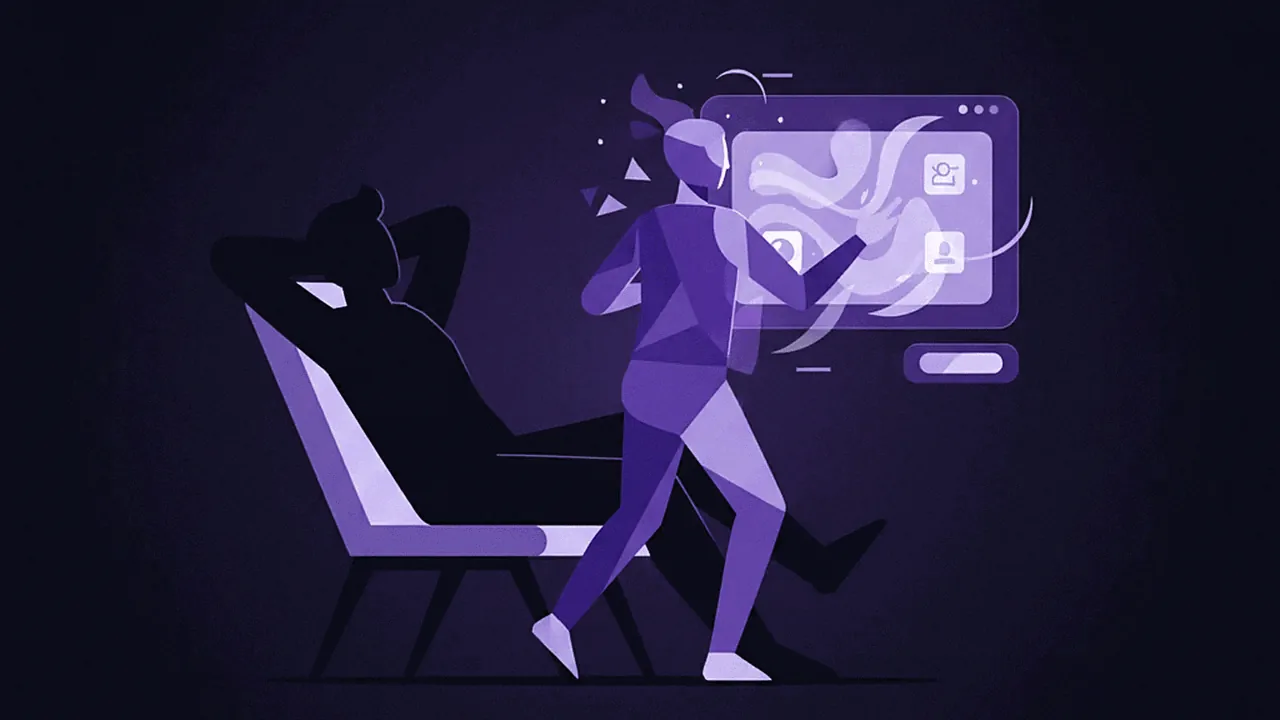
In that slice, a digital clone is a productivity tool. Nothing crazy, it's similar to when a creator hires an editor to cut their video. Here they're "hiring" a version of themselves to record.
The problem is that almost nobody is going to use it that way.
The ethical hole (and the returns one too)
The first thing that happens when you hand your face and voice to an AI to generate video without you being present is a slow dissociation between the creator and the channel. You stop being the author of that Shorts. You're the owner. And the audience feels it, even without knowing exactly what changed.
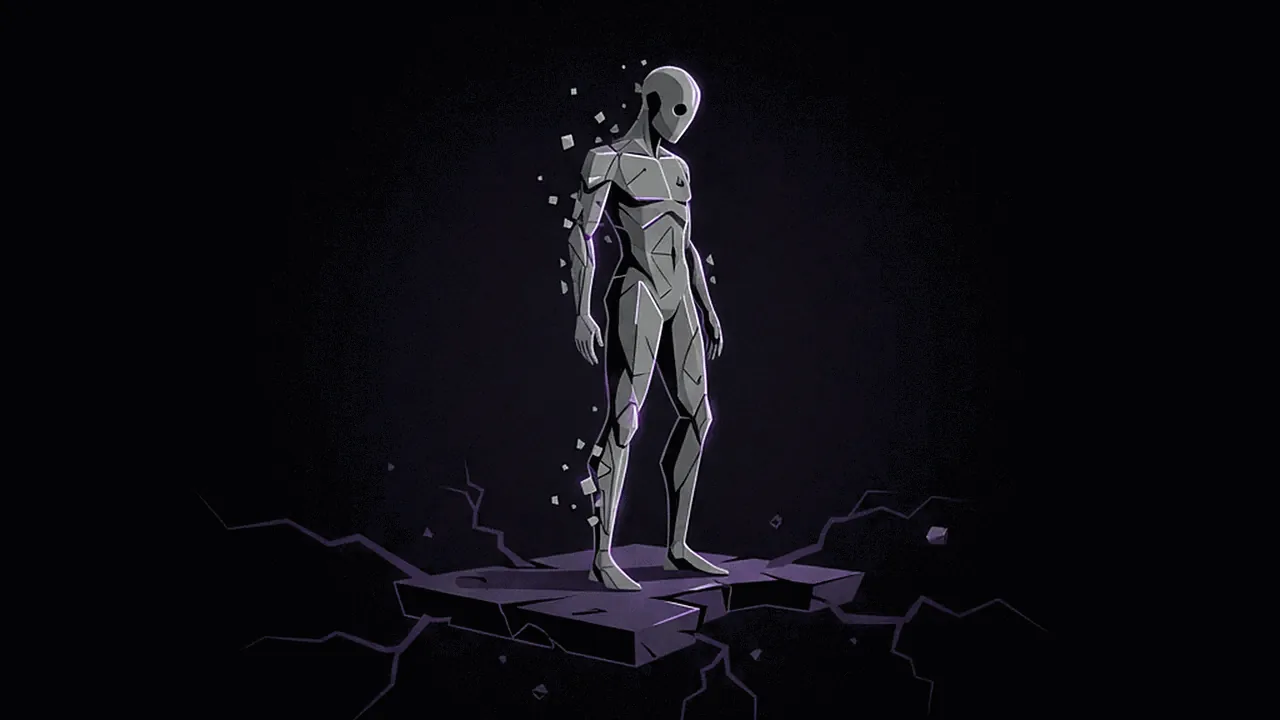
Comments start to feel off, engagement drops a little, the connection loosens. It's not a dramatic rupture. It's slow erosion. Six months later, the channel is still publishing, but it feels like it slipped into a repetitive mode the audience can't quite put their finger on.
And there's the part YouTube sort of announced alongside it: every Shorts generated with a digital clone will carry a synthetic-content label. At launch that was a discreet badge, but the recent track record shows these labels tend to become more prominent, and the algorithm tends to give less reach to labeled content.
In other words: the same tool that promises to scale your channel is handing the algorithm a direct signal that the video is partly artificial. At a moment when YouTube is chasing down AI slop and rewarding authenticity, that's a strong contradiction.
Where clipping fits differently
There's an alternative that's practically the opposite of the digital clone and that solves 80% of the problem that led to the clone in the first place: clipping real content.
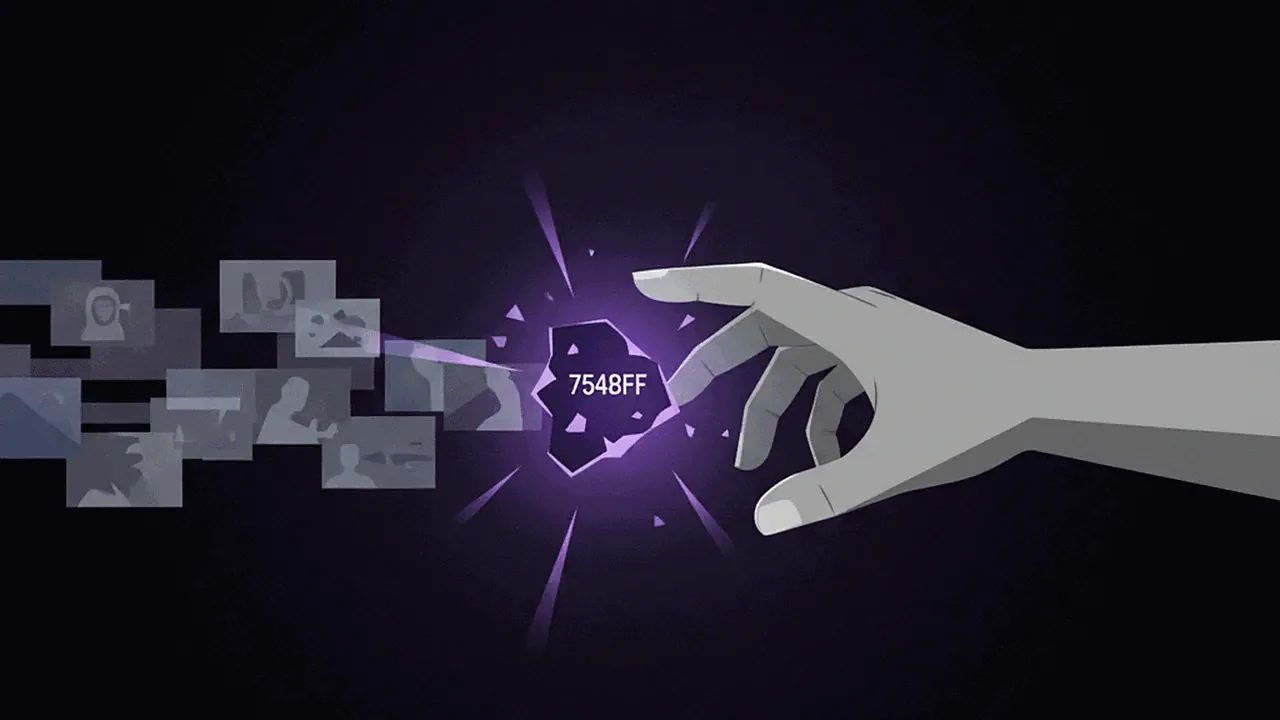
If you already do streams, podcasts, vlogs or any long format, you're producing more new content per week than most channels need for Shorts. The bottleneck isn't generating content, it's slicing it.
With AI-assisted clipping (not generation), you take material that's already yours, in your own pace, with your real voice, and you extract 10 to 15 short pieces. Each one becomes a Shorts. Ten Shorts a week, without recording anything extra, no clone, no AI label, no algorithmic risk.
That's what Cut.Pro does for the creator. You connect your Twitch, Kick or YouTube, the system processes the stream or VOD, identifies the best moments, captions in PT-BR with accurate transcription, cuts to vertical format and spits out a finished clip. Your face, your voice, your reaction. Nothing synthetic.
How to decide what to use
If you're a creator who records long content with some regularity (1 to 3 streams a week, or 1 podcast, or a daily vlog), clipping solves it. You don't need a digital clone, you need good automation to find the best chunk of what you already make.
If you're a creator who only records original short Shorts, and you're stuck on recording time, then a digital clone can be useful. But go in aware that there's a reputational cost, and go in sparingly. Using it to complement the flow is different from using it to replace your presence.
And if you're thinking about turning into a channel that's only a clone to scale fast: YouTube is warning you. The same structure that pushes AI slop down will end up catching this too.
In the end, the right tool to scale Shorts in 2026 isn't the one that records video without you. It's the one that makes better use of the video you've already recorded.