AI slop is dying: YouTube picked a side, and it's yours
100% AI channels have started sinking on YouTube. The algorithm changed, labels became mandatory, and creators who actually film are getting reach back. How that affects your clipping.
AI slop is dying: YouTube picked a side, and it's yours
If you spent the last two years watching 100% AI channels rack up 500,000 subscribers in three months while your podcast sweated to gain 2,000, 2026 is shaping up to be a much fairer year.
The term that caught on for this kind of content is "AI slop." Basically: an automated channel, synthetic narration, AI-generated images, an 8-minute video that didn't need a single person to be produced. For a while, it worked all too well. It blew up in history, horror, top 10, and true crime niches. It was a factory.
Except YouTube started cracking down. And it's cracking down for real.
What changed in the algorithm
There wasn't one big, pompous update. It was a series of adjustments spread across the first quarter of 2026:

First, labeling AI content became mandatory for a lot more cases. It used to be "tell us if the central image is synthetic." Now it's "tell us if any main element (voice, image, character) was generated." Channels that don't label take a penalty.
Second, the recommendation system started docking reach from channels with a high volume of content flagged as AI. It's not a ban, just a nudge downward. At scale, that turns into a 40% to 70% drop on channels that used to live off the discovery feed.
Third, and this is the most interesting one, YouTube started valuing signals of authenticity. A consistent human voice, face cam, live streams, active creator comments, replies to subscribers. Channels that have those are getting pushed up while the slop sinks.
Why this is great for anyone using clipping
Here's where confusion creeps in, and it's worth separating. There's a huge difference between "AI-generated content" and "content edited with AI's help." YouTube is after the first, not the second.
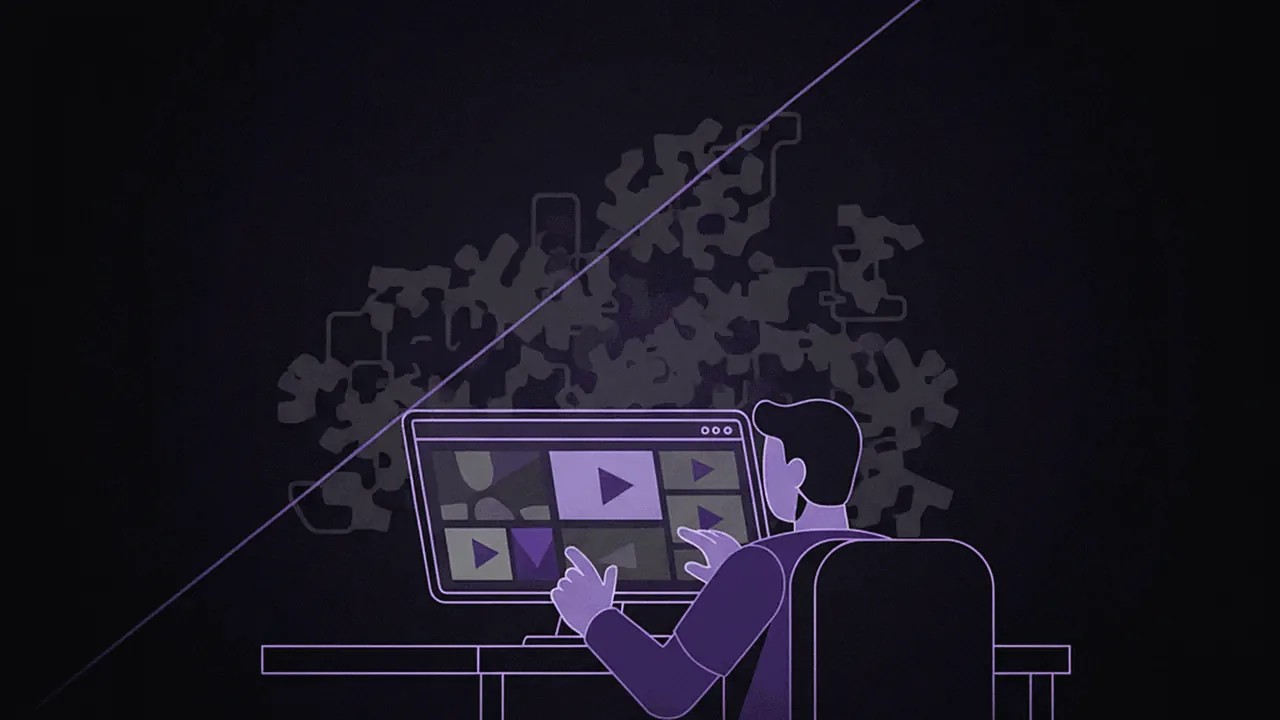
Your live stream clip, cut by Cut.Pro, captioned automatically, reframed for vertical: that's your content. The voice is yours, the face is yours, the moment is real. The AI only handled the boring part (finding the best chunk, the caption timestamps, the crop from 16:9 to 9:16). There's nothing synthetic in there.
A history channel narrated by a cloned voice over Midjourney images with a ChatGPT script: that's a different story. None of the video existed before a machine wrote it. That's the target.
And that's why the crackdown on slop directly benefits anyone working with clipping of real content. On one hand, the pressure on the feed drops (fewer automated channels fighting for the same space). On the other, the algorithm itself starts to prefer your kind of video.
What's working now
Talking with creators over the past few weeks, a pattern emerged:
Podcasts are growing in Shorts again. The combination of real content, a human voice, authentic delivery, and automated clipping (to keep up the volume) is becoming a formula that's boring precisely because it's so consistent.
Twitch and Kick streamers who drop live stream clips on YouTube are also seeing results. Because it's the opposite of slop: live, spontaneous, with an audience reacting. There's no way to fake it.
Vlogs, storytimes, interviews, anything with a human face and a human voice is beating flashy AI-channel thumbnails again.
What no longer works
TTS narration over AI images, even when it's polished, is losing steam fast. If there's still a channel doing that, two possibilities: either it was already declining and will decline more, or it switched to a hybrid format (human voice over AI images) that's still in limbo.
Faceless "top 10" channels are also struggling. Not because the format itself is dead, but because most of those channels are slop and ended up flagged along with the rest.
What to do in practice
If you already produce real content, just keep going. This wave is a favor, not a threat. What's worth doing now is increasing your output, because the space that was being occupied by the slop factory is opening up.
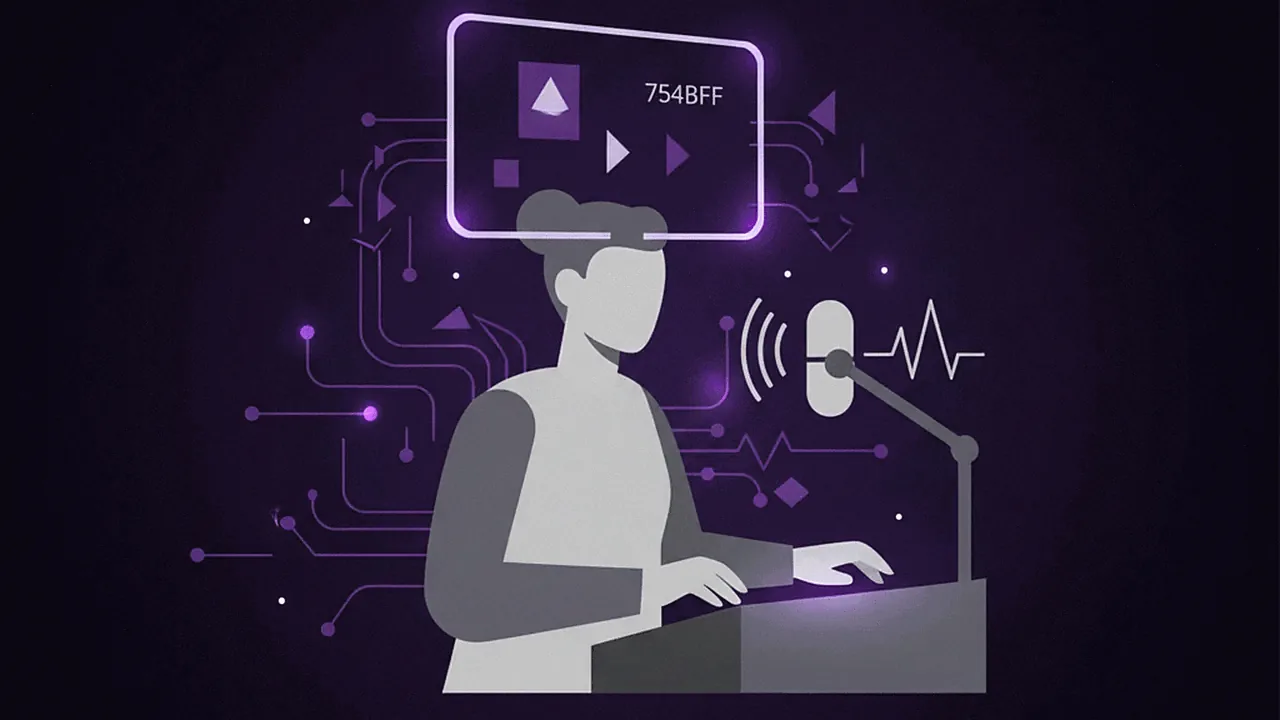
Increasing volume without burning your whole week is where clipping comes in. A 3-hour live stream gives you 10 to 15 good clips, each a candidate for a Short. Doing that by hand is an entire weekend's task. With a tool like Cut.Pro, it's done 20 minutes after the live stream ends, with captions already ready. Without generating anything with AI, just cutting what you already said.
The difference is that this time the algorithm is on your side.